ABA: A Beginner's Guide


Applied Behavior Analysis, or ABA, is a science that helps us understand behavior by looking at why it happens, how it works, and how we can make meaningful changes. At its core, ABA is about improving lives by teaching helpful skills and reducing behaviors that interfere with learning or quality of life.
ABA is often associated with autism therapy, but its principles can be applied to many areas: parenting, education, mental health, workplace performance, and more. This science is evidence-based and relies on data and proven strategies, not guesswork.
In a nutshell, ABA looks at what happens before a behavior (the trigger), the behavior itself, and what happens after (the result). This pattern helps us understand and identify why a person might repeat a behavior. For example, if a child gets attention every time they scream, they may learn to scream more often. ABA helps identify that pattern and teaches more effective ways to achieve the same result, such as using words or signs to ask for attention.
One of the most important parts of ABA is individualization. Every person is unique, so strategies are tailored to the individual’s needs, strengths, and goals; it’s not a one-size-fits-all approach.
If you’re just getting started with ABA, remember: it’s not about changing who someone is. It’s about helping them thrive with respect and science-backed support.
The Science Behind ABA: How It Works and Why It’s Effective


Applied Behavior Analysis (ABA) isn’t just a therapeutic approach; it is a science built on understanding behavior and the environment that shapes it. At Aligning Hope, we use ABA to help individuals learn meaningful skills, reduce challenging behaviors, and build confidence through evidence-based strategies.
ABA therapy is rooted in the idea that behavior is learned and can be changed through reinforcement and clear teaching. Every skill, whether it’s brushing teeth, playing with others, or communicating, can be broken down into small, manageable steps. Behavior staff can then teach each step systematically, celebrating progress along the way. These small successes add up to big milestones over time.
One reason ABA is so effective is its focus on data. Each session is guided by ongoing observation and measurement. This ensures that therapy isn’t based on guesswork, but on real results. When something works, we do more of it. When it doesn’t, we adjust the plan. This flexibility allows every treatment plan to be individualized for your loved one’s specific needs and pace of learning.
Another key feature of ABA is positive reinforcement, the heart of behavior change. By rewarding desired behaviors, children learn that positive choices bring positive outcomes. This boosts motivation and helps individuals develop confidence in their abilities.
At Aligning Hope, we view ABA as more than instruction; it’s connection, encouragement, and consistency. Families often notice that as individuals begin to thrive in therapy, those learned skills start to show up in everyday life too.
ABA therapy is science, and when built on compassion, collaboration, and research, it helps lay the foundation for lifelong growth.
Understanding Reinforcement: Building Blocks for Change

When you hear the term “reinforcement” in the context of ABA therapy, you might picture stickers, toys, or treats. And while those can certainly be part of the process, reinforcement is so much more than rewards. It’s the heart of how individuals learn new skills, build confidence, and discover that their positive choices lead to positive outcomes.
Aligning Hope believes that understanding reinforcement helps families become active partners in their loved one’s growth. When you know how reinforcement works, you can use it naturally throughout your day, turning everyday moments into powerful opportunities for learning and connection.
What Is Reinforcement?
In simple terms, reinforcement is anything that happens immediately after a behavior that makes that behavior more likely to happen again. When someone follows a direction and you respond with a smile and “Great job listening!”—that’s reinforcement. The beauty of reinforcement is that it focuses on what your child is doing correctly. Rather than only correcting mistakes, we are celebrating progress. This creates an encouraging environment where learning feels rewarding and individuals feel seen and valued for their efforts.
Why Reinforcement Matters
Reinforcement is based on a simple but powerful principle: behaviors that are followed by something positive are more likely to be repeated. Over time, this helps individuals build new skills—whether it’s communication, following routines, playing with peers, or managing big emotions.
What makes reinforcement so effective is that it’s completely individualized. What motivates one person might not work for another. Some individuals light up with verbal praise, while others respond more to extra attention or a favorite snack. Aligning Hope takes the time to learn what truly motivates your loved one so reinforcement feels meaningful and authentic.
How Behavior Analysts Use Evidence-Based Practice


Every decision made at Aligning Hope is rooted in evidence-based practice. This refers to strategies and interventions that have been proven by research. This cultivates a support way of ensuring that therapy is truly tailored to the individual.
The Role of Research
Behavior analysts rely on a strong foundation of scientific studies that have tested various techniques and strategies in real-world settings. These studies help us identify what has been proven to work for teaching skills, increasing positive behaviors, and reducing challenges. However, research alone is not enough since what works in one situation might not work in another.
Expertise and Individualization
This is where clinical expertise comes in. Experienced behavior analysts use their knowledge to interpret research findings and decide how best to apply them for each individual’s unique strengths, challenges, and environment. They monitor progress and make thoughtful adjustments to maintain the intervention.
Family Values and Context
Equally important are the values, culture, and daily routines of your family. Behavior analysts work closely with families to understand their goals and incorporate what matters most to you into therapy. After all, the best outcomes happen when interventions fit naturally into your life.
Why This Matters For You
With evidence-based practice, therapy isn’t guesswork or a “one size fits all” approach. Instead, it’s a clear, transparent process where every choice is backed by evidence yet customized for your loved one. This creates a strong partnership between families and therapists, supporting progress in a way that makes sense.
Aligning Hope is committed to using evidence-based practices because everyone deserves the most effective, respectful, and personalized support possible. Together, we build a path forward based on knowledge, compassion, and real-world results.
Navigating the Holidays

Navigating the holidays with family members who have disabilities can be a time of joy, connection, and lasting memories. With a little extra planning, empathy, and flexibility, the season can be warm and welcoming for everyone.
Embrace Inclusion and Accessibility
Start by thinking through the physical space of your gathering. Ensure your home or venue is as accessible as possible by creating quiet areas for sensory breaks and giving everyone enough room to participate comfortably can make a big difference. Sometimes, simple adjustments like offering noise-canceling headphones or designating a calm space can help those who may become overwhelmed by the excitement and noise of the season.
Communicate and Be Flexible
Open communication is key. Ask what accommodations would make gatherings more comfortable and enjoyable for them. These might include a favorite food, preferred seating, or adjustments to the music or lighting. Staying flexible about schedules and traditions helps everyone feel included. For some, keeping routines predictable and giving advance notice about changes can ease anxiety and help the day run smoothly.
Find Joy in Simple Moments
Be creative about how your family can participate in holiday traditions. Involve your loved ones in decorating, baking, sharing stories, or picking music. Focusing on togetherness and allowing people to join in at their own pace shows respect and care. Remember, holidays aren’t about perfection; they’re about creating meaningful moments and feeling connected.
Respect Boundaries and Celebrate Uniqueness
Everyone’s way of celebrating is different; honoring personal boundaries and being mindful of sensory needs is essential. Encourage everyone to be kind, understanding, and to show the same warmth they expect to receive. By making adjustments and being open-hearted, you’re creating a space where everyone can truly belong.
Make Memories Your Way
The holidays are a tapestry woven from many experiences, big and small. By planning ahead, inviting honest conversations, and celebrating what matters most to your family, you can make the season bright for everyone. The greatest gift you can give is making sure each person feels valued and at home.
Wishing you a joyful and inclusive holiday season from all of us at Aligning Hope!
How to Encourage Functional Communication
Encouraging functional communication at home does not have to be complicated or formal. It happens in small, everyday moments—during meals, play, and routines you are already doing. Functional communication simply means helping your learner communicate their needs, wants, and ideas in ways that work for them and for your family, whether that’s with words, gestures, pictures, or a device.
Start With Everyday Needs
Begin by identifying what your learner frequently needs help with: snacks, toys, bathroom, TV, or going outside. Each of these is a built‑in opportunity to practice functional communication. Instead of anticipating every need, pause and gently prompt your learner to communicate before you give the item or help. This might sound like, “Tell me ‘help, please’,” modeling a sign, pointing to a picture, or tapping their communication button. Keeping the expectation clear and calm helps communication become part of the routine, not a test.
Model, Don’t Pressure
Language is acquired by watching and hearing other model it. During routines, narrate what you are doing in simple phrases. Pair your words with natural gestures or their communication system. If your learner is not ready to repeat, that’s okay. Consistent modeling builds understanding and shows them what they can say in that situation. Celebrate any attempt to communicate, even if it’s not perfect. A look, a reach, or a partial word is a step in the right direction.
Keep It Positive and Connected
Most importantly, keep communication warm and relationship‑focused. Smile, respond quickly, and let your learner see that their communication is powerful. When communication is tied to connection—shared laughter, eye contact, cuddles—people are more motivated to keep trying. At Aligning Hope, the goal is not perfect speech; it is helping your learner express themselves in ways that are functional, respected, and understood.
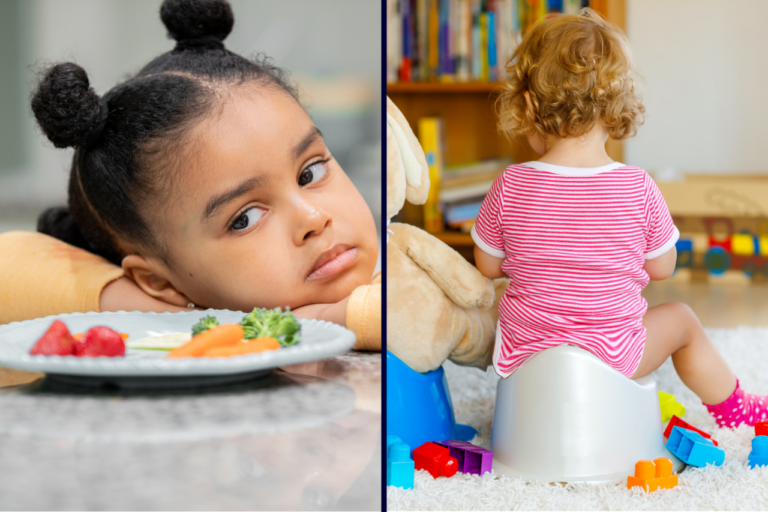
How ABA Can Help with Everyday Challenges
Many families seek support when daily routines become stressful or confusing for their child. Two common concerns parents bring up are toilet training and feeding difficulties. While these challenges can feel overwhelming, applied behavior analysis (ABA) offers practical, compassionate strategies that can help children build these important life skills.
ABA focuses on understanding behavior and using supportive teaching methods to help children learn new skills step by step. The goal is not simply to change behavior, but to create meaningful progress that improves daily life for both the child and the family.
Support with Toilet Training
Toilet training can be a complex process for many children, especially those with developmental delays or differences. ABA approaches this skill by breaking the process into small, manageable steps. A child might first learn to sit on the toilet comfortably, then gradually move toward recognizing when they need to go, and eventually using the toilet independently.
Consistency is one of the biggest strengths of ABA-based toilet training plans. Behavior analysts often create structured routines, use positive reinforcement, and track progress over time. These strategies help children understand expectations and build confidence as they succeed.
Another benefit is that programs are individualized. Every child learns differently, so the plan is tailored to match the child’s current abilities, communication style, and comfort level.
Helping with Feeding Challenges
Mealtime can be another area where families experience stress. Some children may eat only a very limited range of foods, avoid certain textures, or struggle to stay seated during meals. ABA can help address these concerns gently and gradually.
Behavior analysts often start by identifying what makes mealtime difficult for the child. From there, they introduce small changes designed to make eating more comfortable and predictable. For example, a child might begin by simply tolerating a new food on their plate before being encouraged to taste it later on.
Positive reinforcement plays an important role in feeding programs. Children receive encouragement and praise for trying new foods or practicing mealtime skills, which helps build positive associations with eating.
Building Confidence and Independence
The biggest benefit of ABA is that it focuses on building independence in everyday life. Skills like using the bathroom and participating in family meals are important parts of daily routines. When children gain confidence in these areas, families often experience less stress and more opportunities to enjoy time together.
Progress may take time, but with patience, consistency, and supportive guidance, many children make meaningful improvements.
If your child is struggling with toilet training or feeding concerns, reaching out to a qualified behavior analyst can help you explore strategies that are practical, supportive, and tailored to your child’s unique needs. Small steps forward can lead to big changes in daily life.